INTELLIGENT SUPPLY CHAIN NETWORK DESIGN
Building Smarter Networks for Better Supply Chain Performance
At Antares, we understand that an efficient supply chain begins with a well-structured logistics network. Our Network Modeling approach focuses on evaluating transportation routes, distribution facilities, warehouse locations, and supply chain operations to identify opportunities for improved efficiency and cost optimization.
In today’s competitive business environment, companies must continuously adapt their supply chains to changing market conditions, customer expectations, and operational requirements.
We focus on helping businesses develop practical network strategies that support more efficient product movement, improved distribution planning, and long-term operational flexibility.
01. Distribution Network Analysis
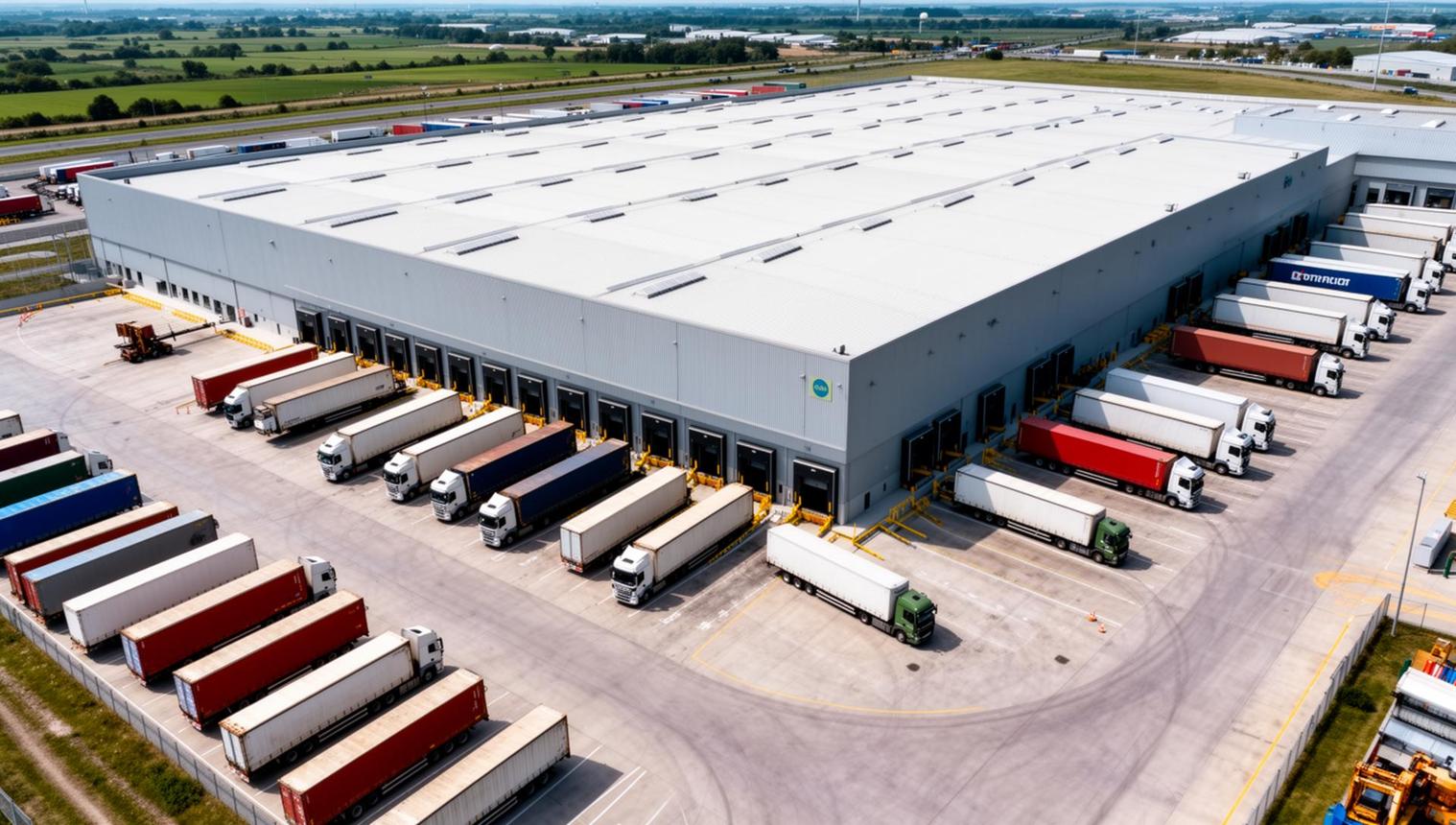
An effective distribution network is essential for ensuring products reach customers through suitable transportation and delivery channels.
We focus on reviewing existing distribution structures, shipment flows, and delivery requirements to identify opportunities for better coordination and improved logistics performance.
02. Warehouse Location Planning
The location of warehouses and distribution centers can significantly influence transportation costs, inventory availability, and delivery efficiency.
Our approach considers customer locations, transportation access, operational expenses, and distribution requirements to support more informed facility-location decisions.
03. Transportation Network Optimization
Efficient transportation planning helps businesses improve delivery routes, reduce unnecessary mileage, and manage freight-related expenses.
We evaluate transportation patterns, shipping requirements, and available delivery options to identify practical opportunities for improved network performance.
04. Supply Chain Cost Analysis
Understanding logistics expenses is essential for developing an effective distribution strategy.
Our network assessment approach focuses on evaluating transportation costs, warehousing expenses, inventory considerations, and operational requirements to support better resource allocation.
05. Facility & Distribution Planning
Businesses often need to assess whether their existing facilities can efficiently support expanding operations and changing customer demands.
We focus on reviewing distribution capacity, facility utilization, shipment volumes, and operational requirements to identify suitable improvement opportunities.
06. Network Flexibility & Risk Assessment
Supply chains must be prepared to respond to unexpected disruptions, seasonal demand changes, and evolving business requirements.
Our approach emphasizes identifying potential logistical vulnerabilities and evaluating alternative distribution strategies that can improve operational resilience.